|
|
Rectangular cutting at 58-60/ΚΘ-Λ, probably a plundered wall trench ... 350-290 B.C. |
Chamber of water system with one blind tunnel and two cisterns connected by tunnel. Pottery consistent throughout, late Hellenistic. Late 2nd c. B.C.
Ten stamped amphora handles. Most of bowls long-petal ... 100-75 B.C. |
Cistern on the lower Acropolis slopes, west of Panathenaic Way; dumped filling of 1st century B.C.
Bottom diameter 3.90m. Cistern with connecting draw-shaft and a dead end tunnel dates from Late Hellenistic ... 1st century B.C. |
At 67/ΙΗ, at the northeast slope of the Areopagus.
Cistern with drawshaft, 4.60m deep. The drawshaft had been cleared to bottom in the eighteenth or nineteenth century, and some of the fill in the main ... Most second half of 3rd c. B.C. |
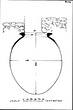
| Pithos ay the bottom of the north slope of the Areopagus with single fill; Part of Hellenistic Group D.
One stamped amphora handle dates slightly after 146. Latest coin dates in first two decades of 2nd ... 160-130 B.C. |
Tiled well near the SW corner of the market square between the Southwest Fountain House and the Great Drain, three fills noted: lower fill of earth and stones with a few fragments only of coarse pottery ... 4th-2nd c. B.C.
100-70 B.C. |
| Second century B.C. fill with early 13th c. A.D. fill in mouth.
The Byzantine objects from the mouth are P 13713-P 13718, L 3585.
Lower fill contained bones of many infants and dogs.
The bones from this ... Mid-2nd c. B.C. |
Cistern on lower northeast slope of the Areopagus.
Two Hellenistic fills with late Hellenistic to Roman fill above.
Use fill characterized by broken water jars (lower fill); contemporary dump (middle fill); ... Early 1st c. B.C. |
|
|