|
|
Rectangular cutting at 58-60/ΚΘ-Λ, probably a plundered wall trench ... 350-290 B.C. |
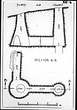
| Cistern at 75/ΜΓ connected with cistern N 18:3 by tunnel.
Only coin is Bioiotian dating between 220 and 197. Only indications of date are 1st c. lamps, two long-petal bowls, and fragments of early Roman ... 1st. c. B.C. |
| Cistern at 79/ΜΗ.
A well dug through at a later date destroyed all cistern filling.
No filling preserved. No typed list ... Probably 3rd cent. B.C. |
Upper fill was early Roman dated by AWP to the 1st c. A transitional fill was later assigned to the upper level.
Nbp. 2913: The history may have been that the well was cleaned out at the time that it was ... 3rd-2nd century B.C and Roman date. |
Dimensions 2.86x1.50x0.70m in depth; stratified fill in rockcut pit (three rockcut steps leading down at one end) which apparently served as a rubbish dump (pottery fragments with carbon and ash). Coins: ... Ca. 410-250 B.C. |
| Cistern at 77/Μ on lower north slopes of the Areopagus. Bottom diameter of 2m connected by tunnel to cistern M-N 18:1.
Only stamped amphora handle dates slightly after 240. Latest coin dates about 200 ... 3rd c. B.C.-196/190 B.C. |
Tiled well near the SW corner of the market square between the Southwest Fountain House and the Great Drain, three fills noted: lower fill of earth and stones with a few fragments only of coarse pottery ... 4th-2nd c. B.C.
100-70 B.C. |
Cistern with two tunnels, the one entering its neck cut off by an early Roman well, the other, at the bottom not excavated.
Chamber conical in shape, with a depressed draw basin in the center of the floor ... Early Roman-3rd c. B.C. |
|
|